
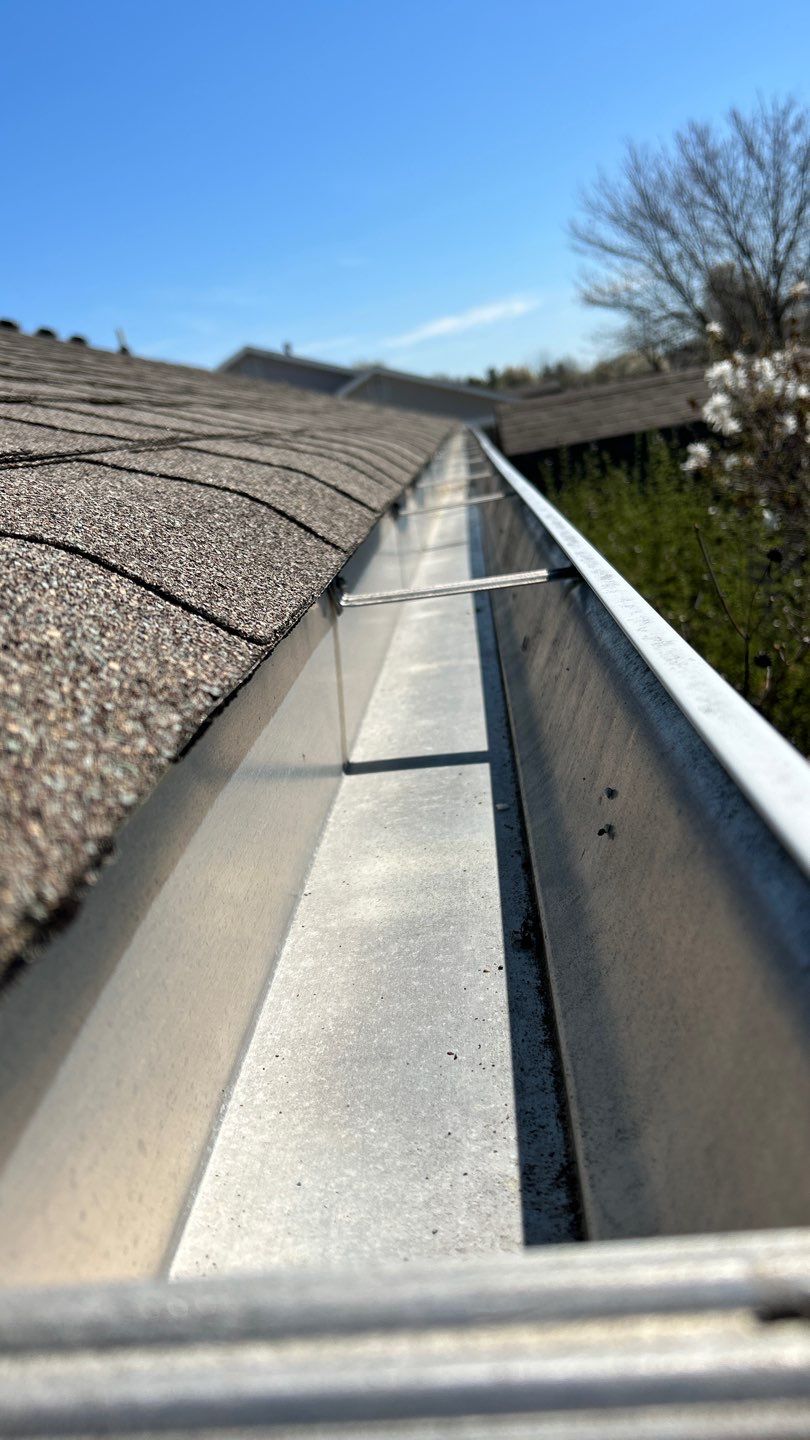
The gutter materials used for your home can actually affect how they perform and how they are cleaned. Choosing the right gutter materials depends on your climate, the age of your home, other exterior materials on the home, and the time you have to spend on maintenance. Understanding the difference between materials and how they perform can help homeowners choose the best option for their specific home. In this blog, we will take a deeper look at common gutter materials, how they handle different types of weather, and how gutter design can impact cleaning and moisture problems around the home.
Aluminum
One of the most common types of gutters for residential builds. Aluminum is a strong material that remains lightweight, limiting the risk of sagging gutters or roof damage. Seamless aluminum gutters can be created in many different colors that are made to match almost all exterior materials. Aluminum is often chosen because it is a thick material that can withstand even the toughest weather. This makes them great for almost any climate and requires minimal maintenance.
Most gutters benefit from twice-a-year cleaning, especially in climates with rain, tree leaves, and snow. Aluminum is prone to oxidation, which may bother some homeowners. You can use a mix of water and vinegar to help remove these stubborn marks and keep them looking new.
Wood
Wood gutters are more of a rare material for gutters, but they can be used for more rustic homes or if you want to have a more natural look. Wood gutters are more expensive than other materials, starting at about $15 per linear foot. If you choose wood gutters, it will most likely be crafted out of old-growth cedar.
When it comes to maintenance, wood can still benefit from twice-a-year cleaning, but may need treatment in order to prevent rot and mold growth. Similar to treating wood on the exterior of your home or for your decking, treating the wood on your gutters will help you avoid stubborn mold or mildew that will discolor the wood, cause rotting that then could cause leaks and flooding.
Copper
Classic homes often feature copper gutters because they don’t need a protective coating or paint and are resistant to rust. Copper gutters are also more expensive than other materials, but in turn they will increase the value of your home. Copper requires the least amount of maintenance, but it does oxidize and change color over time. There are sealants available that can prevent the copper from turning green, but this will also increase the need for maintenance and reapplication.
Steel
One of the stronger materials for gutters is steel. Steel is a thick material that can withstand heavy drops and piled-up debris. While this is essential for gutters to hold up to debris, you should also stay on top of cleaning and removing build-up to stop sagging or roof damage. Stainless steel can also avoid corrosion and oxidation without the need for sealants or more consistent cleaning. However, similar to copper, stainless steel is more expensive to install and obtain. For homeowners who want a longer-lasting option that adds value to their home, steel is a great choice.
Vinyl
One of the most common gutter materials is vinyl, because of its corrosion resistance and durability against debris. For extreme climates with high heat or freezing temperatures, vinyl may not be able to stand up to the elements and will require frequent maintenance or replacement. Rust or corrosion is something you will not need to worry about with vinyl gutters, meaning you won’t need to schedule more than two cleanings a year.
Different Gutter Designs
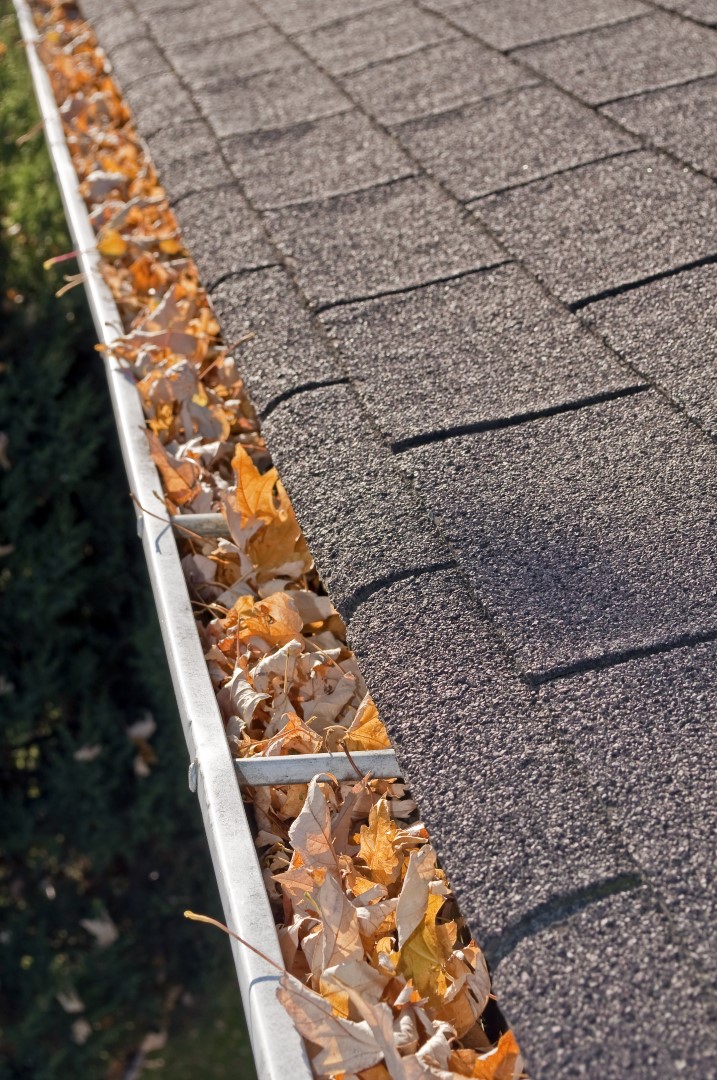
The way your gutters are designed and installed can also affect how they protect your home. Here are common designs and how they change the dynamic of your home during different weather conditions.
- K-style gutters: Durable against high water, visually appealing on most residential homes. Harder to clean the sharp angles.
- Half-round gutters: Rounded shape is best for older-style or classic homes, less prone to rust but requires more support brackets for water or snow.
- Box gutters: Built into the home and is able to be customized to your exact specifications. Provide a hidden design and high water capacity, but are expensive and can deteriorate if not maintained.
- Fascia gutters: Built directly into the fascia, which makes them great for custom homes. These are the most costly option for installation and repairs.
- Seamless gutters: Best for climates with heavy rain as they are leak-resistant and require minimal maintenance and gutter cleaning. They must be installed by professionals in order to provide superior durability.
- Sectional gutters: Better option for those on a budget and are easier to replace and install. However, with many different connection points, there is a higher chance of weakness.
Choosing The Best Gutter Materials For Your Home
Depending on your climate, gutter materials will hold up fairly well during heavy rain and wind. Excessive snow or rain may cause your home to need aluminum or steel gutters. For more modern homes in mild climates, vinyl or wood can be used without worry over deterioration. Even beyond choosing proper gutter materials, scheduling twice-a-year cleaning will be enough to keep your gutters in optimal condition. Working with a professional gutter expert will help you gain additional insight on what materials will be best for your specific home.
Gutter Cleaning From Jacob’s Ladder
Jacob’s Ladder has worked with many different gutter materials to help them maintain their look and durability. Jacob’s Ladder offers gutter cleaning for homes in the Colorado Springs area. Our team believes in not wasting your time or money with haphazard cleaning. If you are looking for someone to make gutter maintenance easier and improve your property in the process, our experts are the best choice. Contact us to schedule your cleaning today!